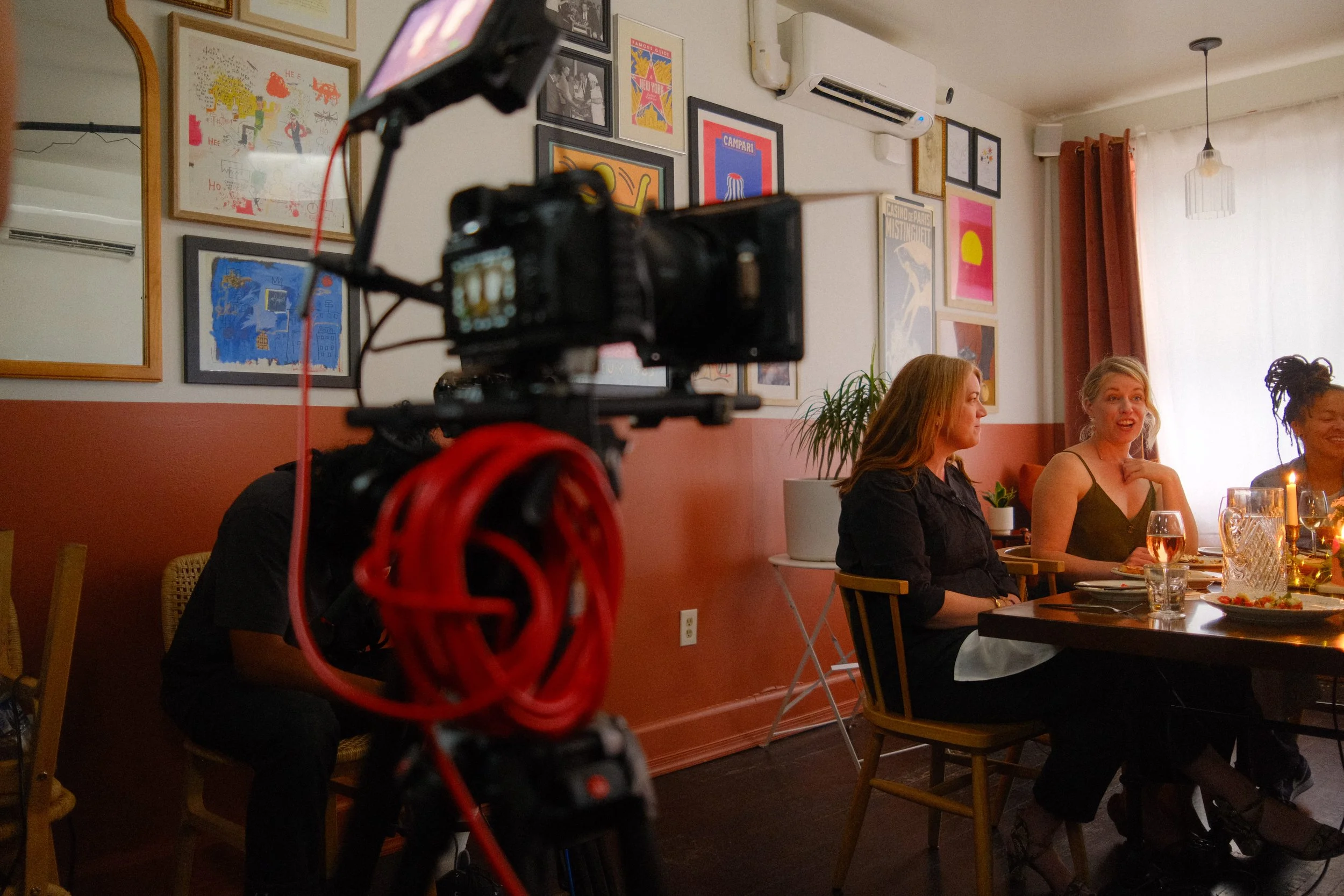
Designing High-Trust Gatherings for Philanthropic Partnership
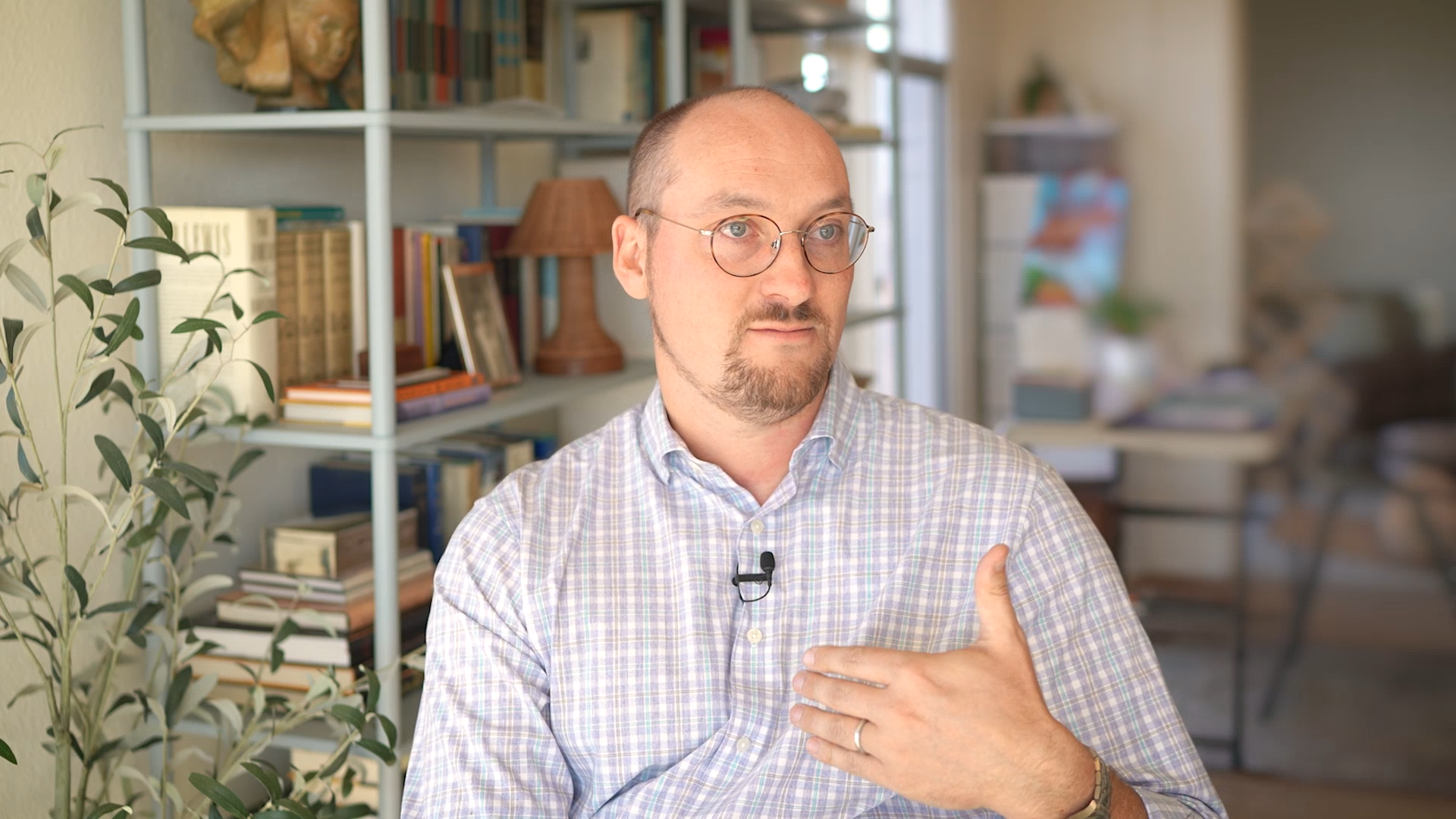
Drew Petty is an Entrepreneur in Residence at the GitLab Foundation and Managing Director of the 100X Initiative, where he works with high-net-worth donors and philanthropic leaders who hold significant capital but often lack the infrastructure, strategy, or relational conditions to deploy it effectively.
His job, in the simplest terms, is to find those people and build something with them.
He knew he would need to hold donors, family foundation leaders, and founders in the same space without defaulting into the familiar dynamics of pitching, performance, or transactional exchange. In these contexts, participants often arrive with high levels of skepticism, low tolerance for inefficiency, and heightened sensitivity to perceived agendas.
Long before this engagement, Drew had participated in &Human's Traveling Table dinner series—which employs our methodology for bringing strangers together. So when he began designing his own intimate dinners across cities, he already understood something many conveners miss:
Bringing people into a room is not the same thing as creating the conditions for meaningful connection.
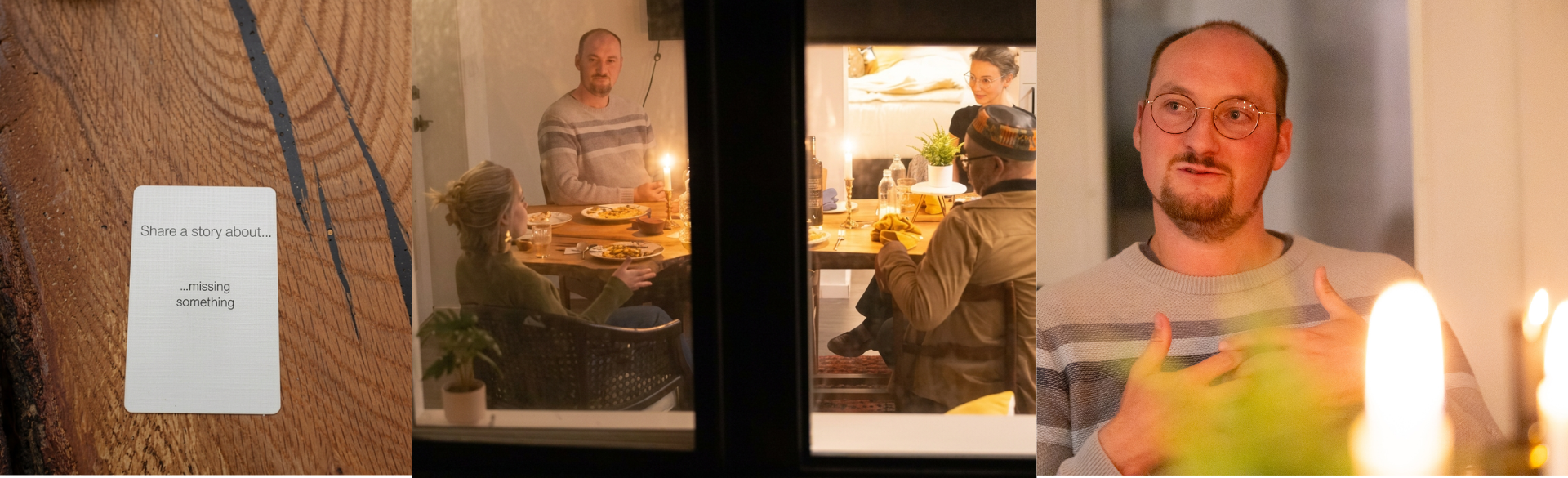
&Human worked with Drew to shift this distinction, moving from convening to facilitation—where the structure of attention, participation, and emergence is intentionally shaped.
Drew framed our design challenge this way:
“Ninety-nine times out of a hundred, every other interaction that person is going to have throughout their day is not going to look or feel like this. Everything is being presented as a sales pitch. And you have a chance to create something different. By being the thing that is different... that’s the thing that is memorable.”
Over the course of several strategy sessions, we worked through the architecture underneath the conversation: opening prompts, question architecture designed to support multiple conversational trajectories without over-determining them.
We also worked with Drew on a number of invisible design decisions for his facilitation, challenges many leaders share:
How to respond when someone moves into personal reflection, how to follow analytical contributions without flattening them, how to create space for quieter participants without spotlighting them, and how to redirect dominant voices without shutting them down.
The framework we designed for Drew's dinner series was about establishing trust with and between donors and philanthropic leaders.
Partnership and investment would follow naturally from that.
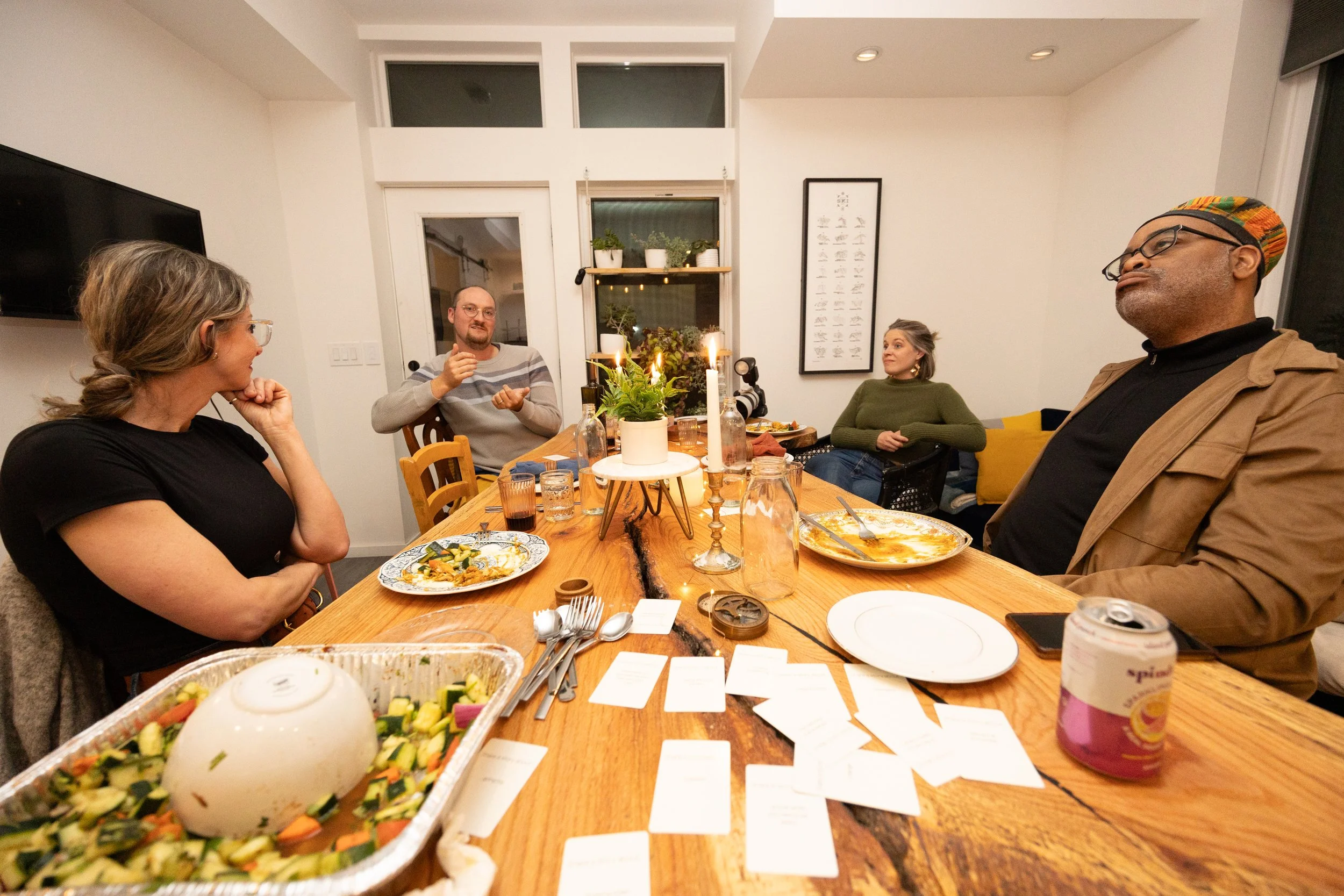
In his first dinner, an unexpected personal reflection surfaced early in a room of donors and family foundation leaders, some of whom knew each other, most of whom did not. Where guests would have usually shared the kinds of answers people give when they’re thinking worldly with life-altering impact, the conversation got personal.
Participants later described the experience as unusually energizing and connective. Text messages poured in the next morning of attendees asking to be connected to each other, signaling the work had landed as intended.
After four years of traditional convening work, this shift reframed what became possible for GitLab Foundation: intimate gatherings moved from structured exchange to generative trust-building environments.
The result is a repeatable facilitation model for high-trust dialogue among high-stakes stakeholders—where presence, not agenda, shapes what becomes possible in the room.
We believe the brightest future is human. We partner with those bold enough to build it without compromise.